
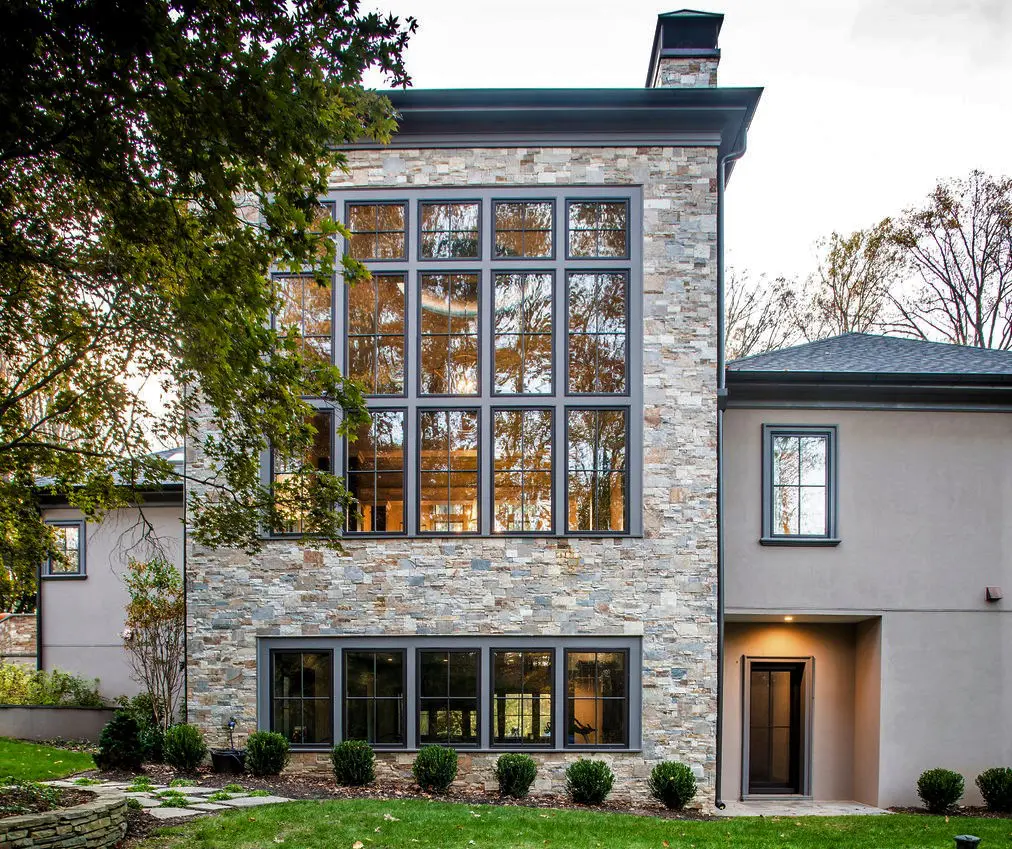
The honest answer is: sometimes—only for very small, non-permitted repairs. But for most projects people associate with “masonry work” (block walls, brick/stone installation, structural repairs, retaining walls, large tuckpointing jobs, anything needing a permit, or anything tied to safety and durability), you’ll typically want a licensed masonry contractor.
In Stockton and throughout the Central Valley and Bay Area, masonry is often structural, load-bearing, or part of a larger commercial/multifamily scope, which means it’s not just about appearance—it’s about performance, code compliance, and long-term reliability. Cen Cal Masonry is positioned specifically for that kind of work, specializing in CMU block, structural masonry, brick, and stone installation with experienced crews and project support from preconstruction through completion.
Below is a practical guide to what a handyman can do, what they shouldn’t do, and how to protect your budget (and your property) when masonry is involved.
When a handyman might be okay for masonry
A handyman can be a reasonable option when the work is minor, cosmetic, and low-risk, such as:
- Replacing a small number of loose bricks on a garden border
- Reattaching a small section of loose veneer that isn’t structural
- Patching tiny mortar cracks on a non-load-bearing area
- Resetting a couple of pavers or small stepping stones
The key is that these are small repairs where a mistake is unlikely to affect structural safety, water intrusion resistance, or code requirements.
California limits: the “handyperson exemption” matters
In California, there are legal limits on what an unlicensed person can do. A state law increased the threshold for unlicensed “handyperson” work to $1,000 starting January 1, 2025—but only if no building permit is required and the person does not hire workers.
That detail is important for masonry because many masonry projects quickly cross:
- the cost threshold (materials + labor add up fast), and/or
- the permit threshold (especially for walls, structural work, or anything tied to safety)
So even if a handyman says, “It’s a small job,” the question becomes: small compared to what? Masonry can go from “a quick fix” to a larger, more technical repair once you uncover loose units, failed mortar, moisture issues, or improper base/prep.
When a handyman should not do masonry work
Here’s where things get risky. In most cases, you should avoid using a handyman for:
1) Structural masonry and CMU block work
CMU (concrete masonry unit) walls and structural masonry often involve reinforcement, grout, layout tolerances, and engineered details—especially on commercial and multifamily projects. Cen Cal Masonry specifically highlights CMU block and structural masonry as core specialties for performance-driven builds.
2) New walls, retaining walls, and load-bearing repairs
Walls fail for predictable reasons: poor footing, improper reinforcement, drainage issues, incorrect mortar, or bad bond patterns. Retaining walls also introduce lateral pressure and drainage requirements—this is not “trial-and-error” territory.
3) Any work that requires a building permit
If a permit is needed, the “handyperson exemption” no longer applies.
4) Chimneys, fire features, or anything tied to fire/safety
Even small mistakes can become expensive or dangerous. These areas demand proper materials, clearances, and construction methods.
5) Large tuckpointing/repointing jobs
Mortar repair looks simple until it isn’t. Poor mortar selection or technique can trap moisture, accelerate deterioration, or create a mismatch that damages brick or stone over time.
Quality masonry isn’t just “putting stuff back”—it’s system work
A lot of masonry problems are symptoms, not the true issue.
For example:
- Cracking might come from movement/settlement
- Loose brick could be water intrusion or improper ties
- Efflorescence can point to moisture migration
- Bulging walls can signal structural instability
A specialized masonry contractor is trained to assess the system—not just patch the visible damage.
That’s why many general contractors and developers prefer established masonry subcontractors with crews and office coordination that can support complex projects from early planning to final punch. Cen Cal Masonry describes exactly this type of capability—experienced field crews and responsive office support for commercial, multifamily, and custom residential projects.
How to decide: handyman vs. masonry contractor
Use this quick checklist:
Choose a handyman only if:
- The total job value is clearly under $1,000
- No permit is required
- The work is cosmetic/minor, not structural
- A failure would be inconvenient—not hazardous
Choose a licensed masonry contractor if:
- It’s CMU block or structural masonry
- It’s a wall, façade, commercial build-out, or multifamily scope
- You’re seeing repeating issues (cracks returning, water staining, movement)
- You want long-term durability and clean workmanship
Why hiring a licensed masonry contractor protects you
With professional masonry, you’re paying for:
- Correct layout, materials, and technique
- Code-aware construction practices
- Better durability and fewer repeat repairs
- Accountability on workmanship—especially on larger scopes
If you’re building or repairing in the Stockton area, Cen Cal Masonry is a licensed contractor (including a masonry classification) and positions its work around clean workmanship built to perform and built to last.
Need masonry help in Stockton or nearby?
If you’re unsure whether your project is “handyman small” or “contractor scope,” it’s worth getting it evaluated before spending money twice.
Cen Cal Masonry serves Stockton and surrounding Northern California markets and specializes in CMU block, structural masonry, brick, and stone installation for commercial, multifamily, and custom residential projects.