
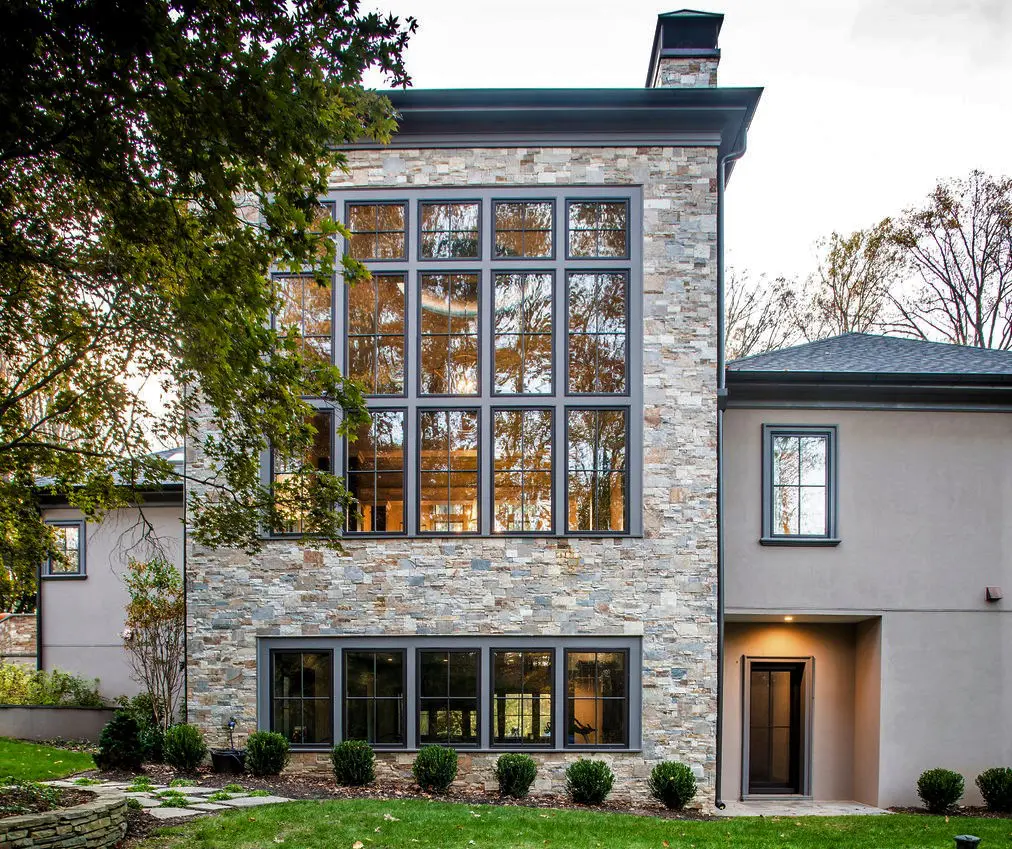
Damaged masonry should never be ignored for long. Small cracks, loose mortar joints, chipped brick, or surface wear can gradually turn into larger structural and moisture-related problems if they are left untreated. When masonry begins to fail, the right repair approach depends on what caused the damage in the first place, how severe it is, and whether the affected area is decorative, load-bearing, or part of a larger wall system.
For property owners in and around Stockton, understanding the repair process can help you know when a simple fix may be enough and when it is time to bring in a professional masonry contractor. Cen Cal Masonry serves Stockton and the greater San Joaquin Valley and specializes in CMU, stone, and brick work for commercial buildings, multifamily housing, custom homes, and structural block walls. The company highlights more than 50 combined years of experience and positions itself around durable, clean craftsmanship built to last.
Start With a Careful Masonry Inspection
The first step in repairing damaged masonry is identifying the source of the problem. A wall may show visible cracks or deterioration, but the real issue could be water intrusion, movement in the structure, poor drainage, settling, age, or prior workmanship problems. Repairing only the visible surface without understanding the cause can lead to the same damage returning.
A proper inspection usually looks for:
- Cracked or displaced brick, block, or stone
- Deteriorated mortar joints
- Bowing or leaning walls
- Efflorescence or staining from moisture
- Spalling, where the masonry face flakes or breaks away
- Separation around windows, doors, or expansion joints
- Signs of water penetration or trapped moisture
In commercial and structural applications, this inspection phase is especially important. Cen Cal Masonry states that it works on commercial, multifamily, and structural masonry projects, which means repairs often need to account for both appearance and long-term performance.
Repairing Cracked Mortar Joints
One of the most common masonry repairs is fixing damaged mortar joints. Over time, mortar can crumble, crack, or wash out due to weather exposure, age, or moisture. When this happens, the repair process is often called repointing or tuckpointing.
This usually involves removing the weakened mortar to a proper depth, cleaning out the joints, and installing fresh mortar that matches the existing masonry as closely as possible in strength, texture, and appearance. The new mortar must be installed carefully so it bonds correctly and helps restore the wall’s integrity.
This type of repair is important because mortar joints play a major role in keeping moisture out and stabilizing the masonry system. Even if the bricks or blocks themselves are still in good condition, failing mortar can allow water to enter and cause larger problems over time.
Replacing Broken Brick, Stone, or Block
When the masonry units themselves are damaged, replacing the affected pieces may be necessary. This is common when brick faces crack, stone chips heavily, or CMU block becomes fractured from impact, settlement, or moisture-related deterioration.
The repair process typically involves removing the damaged unit without disturbing the surrounding masonry more than necessary. A matching replacement material is then installed with the appropriate mortar and joint finish. The goal is to restore both the strength and the visual continuity of the wall.
This kind of work takes precision. If the repair is poorly done, the patched area can stand out visually or fail to bond properly. For buildings where appearance matters as much as performance, matching existing materials and detailing is especially important.
Addressing Structural Cracks
Not all masonry cracks are cosmetic. Some indicate movement that may affect the wall’s structural role. Horizontal cracks, stair-step cracking, separation at corners, and recurring cracks can all point to deeper problems such as settlement, load stress, or poor support.
In these cases, the repair may involve more than surface patching. The damaged area may need partial rebuilding, reinforcement, or coordination with broader structural corrections. Simply filling a structural crack with mortar or sealant will not solve the real issue if the wall is still moving.
This is one reason experienced masonry contractors matter. Cen Cal Masonry emphasizes structural masonry, CMU block, and large-scale project experience, which is especially relevant when repairs involve more than just aesthetics.
Repairing Moisture Damage in Masonry
Water is one of the biggest causes of masonry deterioration. When moisture enters through failed joints, cracks, flashing problems, or poor drainage, it can weaken mortar, stain the surface, and damage the masonry units themselves.
Repairing moisture-damaged masonry often includes:
- Repointing failed joints
- Replacing spalled or broken masonry units
- Sealing gaps around penetrations or transitions
- Correcting drainage issues
- Evaluating flashing or water-management details
- Cleaning mineral staining after the underlying cause is fixed
If water is not controlled, cosmetic repairs alone will not last. The best masonry repairs are not just about patching visible damage. They also help prevent the same issue from returning.
Cleaning and Restoring the Surface
After repairs are made, masonry may need cleaning to remove stains, old residue, dirt buildup, or efflorescence. The cleaning method must match the material. Brick, stone, and CMU can each respond differently to chemicals, pressure, and abrasion.
Using the wrong cleaning method can damage the surface, discolor the wall, or weaken mortar joints. That is why masonry cleaning should be handled carefully, especially on older or highly visible surfaces.
Restoration may also include blending repaired areas so the finished result looks consistent with the rest of the structure. For commercial and multifamily properties, appearance can be a major part of the project’s success.
Why Professional Masonry Repair Matters
Masonry may look straightforward from a distance, but proper repair work takes experience, material knowledge, and attention to detail. Different masonry systems behave differently, and the repair needs to be appropriate for the type of wall, the age of the structure, and the source of the damage.
A professional masonry contractor can help determine whether the issue is minor surface wear or something more serious. They can also choose repair methods that fit the project rather than relying on one-size-fits-all patchwork.
Cen Cal Masonry presents itself as a trusted masonry contractor serving Stockton, the San Joaquin Valley, Sacramento County, and parts of the Bay Area, with experience in CMU, brick, and stone solutions across commercial, multifamily, and custom residential work. That kind of background is valuable when masonry damage affects performance, appearance, or structural reliability.
Final Thoughts
So, how do you repair damaged masonry? The answer starts with identifying the cause, evaluating the severity, and choosing the right repair method for the specific material and structure. Some masonry repairs involve repointing worn mortar joints. Others require replacing broken units, correcting moisture issues, or rebuilding damaged sections altogether.
The most effective repairs do more than improve appearance. They restore strength, improve durability, and help protect the property from future damage. In a market like Stockton, where commercial, multifamily, and residential properties all rely on durable exterior construction, quality masonry repair is an investment in both safety and long-term value.
When masonry damage appears, acting early can often prevent more extensive repairs later.