
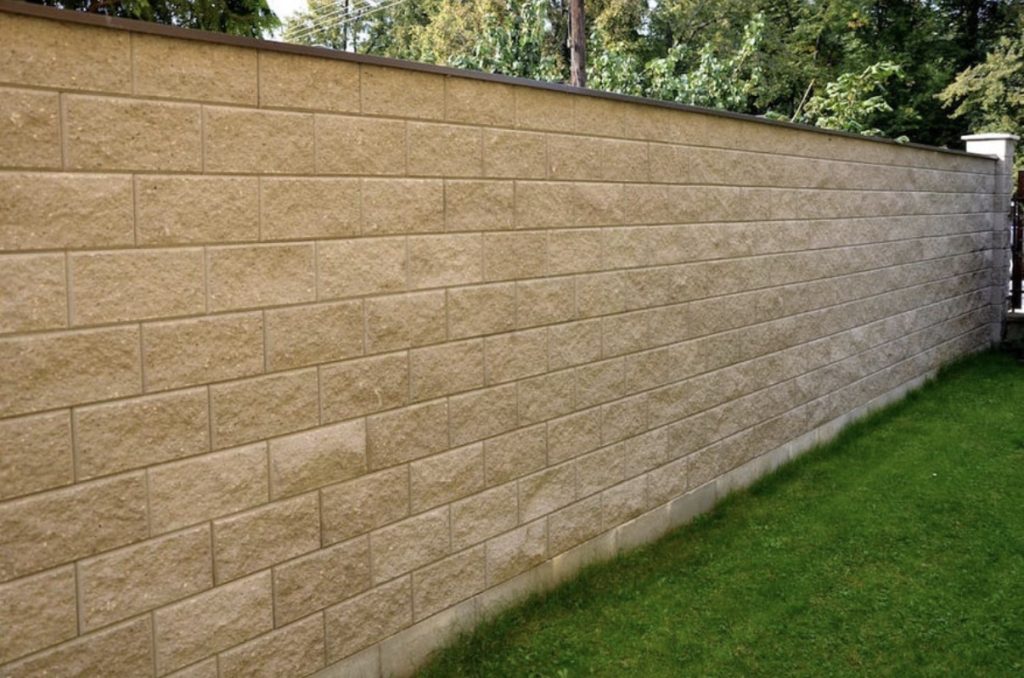
When planning a new build or exterior upgrade, many property owners ask the same question: what is the difference between brick masonry and stone masonry? The short answer is that both are durable masonry systems, but they differ in material, appearance, installation style, and the kinds of results they deliver. For projects in Stockton and across the Central Valley, understanding those differences can help you choose the right option for your building goals, budget, and design preferences.
Cen Cal Masonry serves the Central Valley and Bay Area as a commercial masonry contractor specializing in CMU block, structural masonry, brick, and stone installation for commercial, multifamily, and custom residential projects. Their website also emphasizes durable, detailed craftsmanship built to last, which makes this comparison especially relevant for owners, builders, and developers evaluating material choices.
Understanding Brick Masonry
Brick masonry uses manufactured masonry units, typically made from clay or similar materials, that are laid in courses and bonded together with mortar. Because brick units are produced in consistent shapes and sizes, brick masonry usually creates a more uniform and symmetrical look. This consistency is one reason brick remains a popular choice for walls, facades, veneers, and architectural accents.
One of the main benefits of brick masonry is visual consistency. If a project calls for clean lines, a classic appearance, and repeatable results across a larger structure, brick is often a practical option. Brick can also support a range of design styles, from traditional to contemporary, depending on the color, pattern, and finish selected.
For contractors and developers, another advantage is predictability. Since brick units are standardized, planning and layout can be more straightforward. That can be especially helpful on commercial and multifamily jobs where appearance, alignment, and efficiency matter.
Understanding Stone Masonry
Stone masonry uses natural or cut stone rather than manufactured brick units. The result is often a more natural, textured, and visually varied appearance. Stone can be used for full walls, veneers, columns, entry features, outdoor hardscape elements, and high-end architectural details.
Compared with brick, stone masonry often creates a more organic finish because no two pieces are exactly alike. Even when stone is cut and shaped for installation, it still tends to show more variation in color, texture, and profile. That is part of its appeal. Many owners choose stone when they want a richer or more custom look.
Stone masonry can also make a strong visual statement. On commercial buildings, multifamily exteriors, and custom homes, stone is often selected to add depth, character, and curb appeal. Because the material itself has a distinct appearance, it is frequently used in areas where the goal is to create a more upscale or natural aesthetic.
The Main Difference: Manufactured Uniformity vs. Natural Variation
The biggest difference between brick masonry and stone masonry is the material itself. Brick is manufactured for consistency. Stone is natural, which means it typically has more variation. That difference affects nearly everything else, including appearance, installation, and overall design impact.
If you want a surface that looks orderly, precise, and traditional, brick masonry may be the better fit. If you want a surface that looks more custom, textured, and natural, stone masonry may be the stronger choice.
Neither option is automatically better in every situation. The right material depends on the type of property, the architectural style, and the goals of the project.
Differences in Appearance
Appearance is often the first deciding factor.
Brick masonry usually delivers:
- Clean, uniform lines
- Repeating patterns
- A timeless and structured look
- Strong compatibility with traditional and contemporary design
Stone masonry usually delivers:
- Natural variation in texture and color
- A more custom and dimensional appearance
- A rugged, elegant, or high-end look depending on the stone type
- Strong visual impact for accents and focal areas
For a developer, builder, or property owner in Stockton, the decision may come down to whether the project needs visual consistency or more natural character.
Differences in Installation
Brick and stone are both masonry materials, but they are not installed in exactly the same way.
Because brick units are more uniform, brick masonry installation is often more repetitive and modular. Stone masonry can require more fitting, shaping, and placement decisions because the material may vary in size, thickness, and face profile. That means skilled workmanship matters in both systems, but especially when the final look depends on blending natural materials well.
Cen Cal Masonry highlights experienced field crews, responsive office support, and involvement from preconstruction through project completion. For masonry projects, that kind of coordination is important because material selection, detailing, and execution all affect the finished result.
Differences in Project Applications
Brick masonry and stone masonry can both work well in commercial, multifamily, and residential construction, but they are often chosen for slightly different reasons.
Brick masonry is commonly selected when a project needs:
- A classic exterior finish
- Consistency across large wall areas
- Strong visual order
- A dependable masonry look that fits many building types
Stone masonry is commonly selected when a project needs:
- A premium or custom appearance
- Accent areas that stand out
- More texture and variation
- A natural material that enhances curb appeal
On some projects, the best solution is not choosing one over the other, but combining them. Brick may be used for the primary wall system while stone is added to entrances, columns, or feature areas for contrast.
Durability and Long-Term Value
Both brick masonry and stone masonry are valued for durability when installed correctly. Masonry in general is known for strength, longevity, and solid performance over time. The better choice is usually the one that matches the structure’s design, intended use, and finish expectations.
That is why choosing an experienced masonry contractor matters. Cen Cal Masonry positions itself as a trusted contractor for the Central Valley and Bay Area, with a focus on commercial masonry, multifamily work, custom residential projects, and clean workmanship built to perform and built to last.
Which One Should You Choose?
If you are deciding between brick masonry and stone masonry, start with these questions:
Do you want a more uniform or more natural look?
Is the project primarily commercial, multifamily, or custom residential?
Are you trying to make a subtle design statement or a bold visual impact?
Will the masonry be used across a large area, or mainly as an accent?
Brick masonry is often ideal for projects that need consistency, structure, and timeless appeal. Stone masonry is often ideal for projects that call for texture, distinction, and a more custom finish.
In the end, both materials offer lasting value when installed by an experienced masonry team. For projects in Stockton, the Central Valley, and surrounding areas, working with a contractor familiar with brick, stone, CMU block, and structural masonry can help ensure the finished result matches both the design intent and the performance needs of the build.
If you want, I can also turn this into a more polished SEO blog format with an H1, meta title, and meta description.