
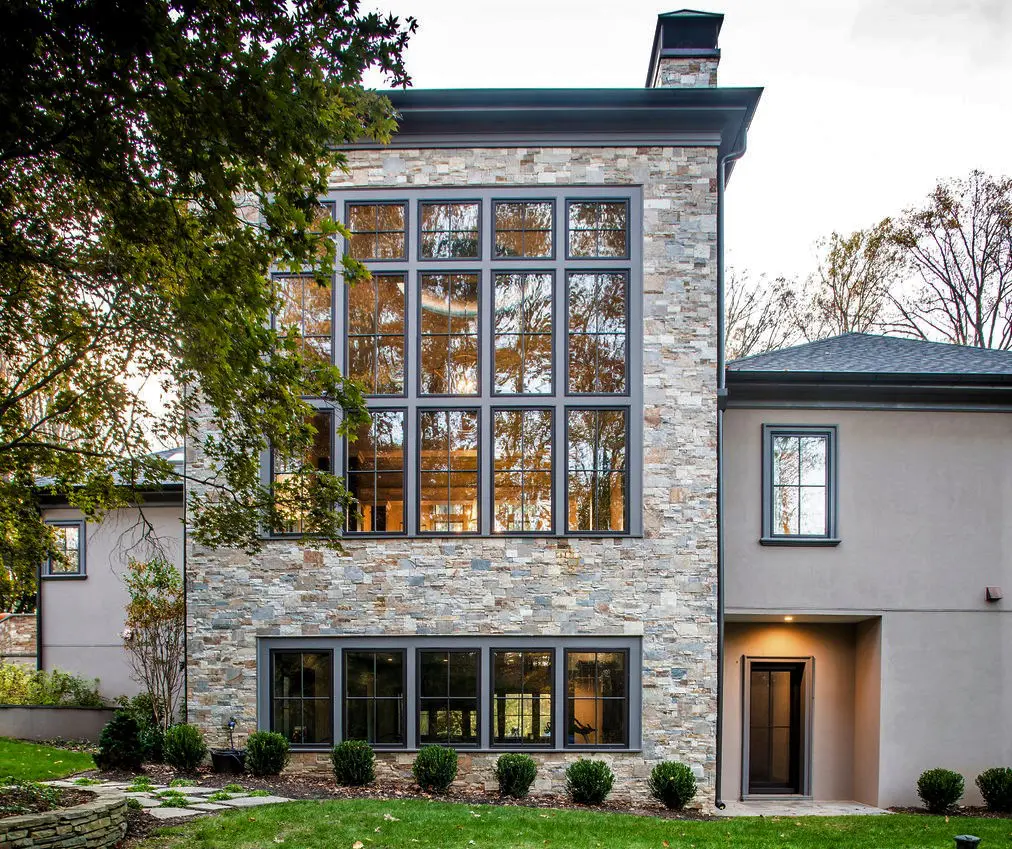
Hiring the right masonry contractor can be the difference between a project that looks great and performs well for years—and one that develops cracks, water intrusion, or uneven finishes far too soon. Whether you’re planning CMU (concrete block) walls, brick installation, stone veneer, or masonry repair and restoration, choosing the right team comes down to more than “who can start fastest.”
If you’re building in Stockton, Manteca, Lodi, Sacramento, or surrounding Central Valley/Bay Area markets, you’ll also want a contractor who understands the realities of commercial schedules, inspections, and structural requirements.
Below is a practical, contractor-vetting checklist you can use to make a confident decision.
1) Start with the right “type” of masonry contractor for your project
Not every masonry contractor is the right fit for every job. Before comparing bids, define the scope:
- Structural CMU / block walls (often used on commercial and multifamily projects)
- Brick & block installation
- Stone installation (natural stone, stone veneer, architectural features)
- Masonry repair & restoration (repointing, crack repair, stabilization)
- Retaining walls
- Cleaning & maintenance for existing masonry surfaces
A good example of a contractor who clearly states their specialties is Cen Cal Masonry—positioning their work around CMU block, structural masonry, brick, and stone installation, and listing service categories like repair & restoration, retaining wall construction, and cleaning & maintenance.
What to do: When you contact a contractor, ask, “Is this type of project a core part of what you do week-to-week?” If they hesitate or generalize, keep looking.
2) Verify licensing and insurance (don’t skip this)
For masonry work—especially structural masonry—proper licensing and insurance isn’t optional. A reputable contractor should be willing to share:
- License details (and the classification that applies to the work)
- Proof of insurance
Cen Cal Masonry publicly lists its California license information (LIC 1101012, classifications B, C29) and notes being licensed and insured.
What to do: Confirm the contractor is licensed for the scope you’re hiring for and ask for a current insurance certificate.
3) Look for experience that matches your project’s market
“Masonry” can mean different expectations depending on the setting.
If your job is commercial, multifamily, industrial, or public works, you’ll want a contractor with proven systems for:
- Project coordination and site logistics
- Communicating with project managers and superintendents
- Meeting schedule requirements and inspection timelines
- Delivering consistent workmanship across a larger crew
Cen Cal Masonry describes supporting general contractors, builders, and developers from preconstruction through project completion and highlights commercial, multifamily, residential, and industrial masonry capability.
What to do: Ask, “How do you manage manpower and scheduling on active sites?” and “Who’s my point of contact during the job?”
4) Review their portfolio—and look for “your” type of work
Most contractors can show photos. What matters is whether their portfolio includes:
- The same materials you’re using (CMU, brick, stone)
- The same scale (commercial walls vs. small residential features)
- The same finish expectations (architectural vs. purely structural)
Cen Cal Masonry has a dedicated Gallery and service pages that break out major categories like brick & block installation, custom stone masonry, and repair & restoration.
What to do: When reviewing images, ask which projects are most similar to your scope and what challenges they solved on those jobs.
5) Ask the right questions (these reveal quality fast)
Here are questions that quickly separate serious masonry contractors from “we do everything” crews:
Scope & build approach
- “What’s included and excluded in your scope?”
- “How do you handle reinforcement, control joints, and detailing for CMU walls?” (for structural work)
Quality control
- “Who is responsible for checking layout, plumb, level, and alignment daily?”
- “How do you handle punch lists and corrections?”
Schedule & staffing
- “How many crew members will be on site?”
- “What happens if the schedule shifts or other trades delay the site?”
Cen Cal Masonry highlights having experienced field crews plus a responsive office team, and emphasizes schedule-driven performance and communication—exactly what these questions are designed to validate.
6) Pay attention to communication and documentation
Masonry work lives in the details: wall heights, openings, bond patterns, mortar joints, flashing, and tie-ins. Clear documentation reduces rework.
Signs of a strong contractor include:
- Written scope with clear assumptions
- Timely responses and proactive updates
- Willingness to coordinate with other trades
Cen Cal Masonry includes testimonials referencing effective communication with project managers and meeting schedules—two practical indicators that documentation and coordination are part of their process.
7) Choose local knowledge and service coverage that fits your jobsite
Even great contractors struggle if they’re stretched outside their normal service footprint. Cen Cal Masonry notes being based in Manteca and supporting contractors throughout Stockton, Lodi, Sacramento, the Central Valley, and the Bay Area, and lists multiple service areas across those regions.
What to do: Ask where their crews are typically dispatched from and whether your jobsite is within their standard coverage.
Final checklist: choosing the right masonry contractor
Before you sign:
- ✅ They specialize in your scope (CMU/brick/stone/repair)
- ✅ Licensed and insured, with appropriate classifications
- ✅ Proven experience in your project type (commercial vs. residential)
- ✅ Portfolio shows similar work and finishes
- ✅ Clear scope, clear communication, clear schedule plan
- ✅ Local service coverage that supports reliable jobsite performance
When you use this approach, you’re not just choosing a contractor—you’re choosing workmanship, coordination, and long-term durability.
If you want, I can also write a second blog post that complements this one for local SEO (example: “CMU Block vs. Brick: Which Is Better for Commercial Builds in Stockton?”) using Cen Cal Masonry’s actual services and service-area language from their site.