
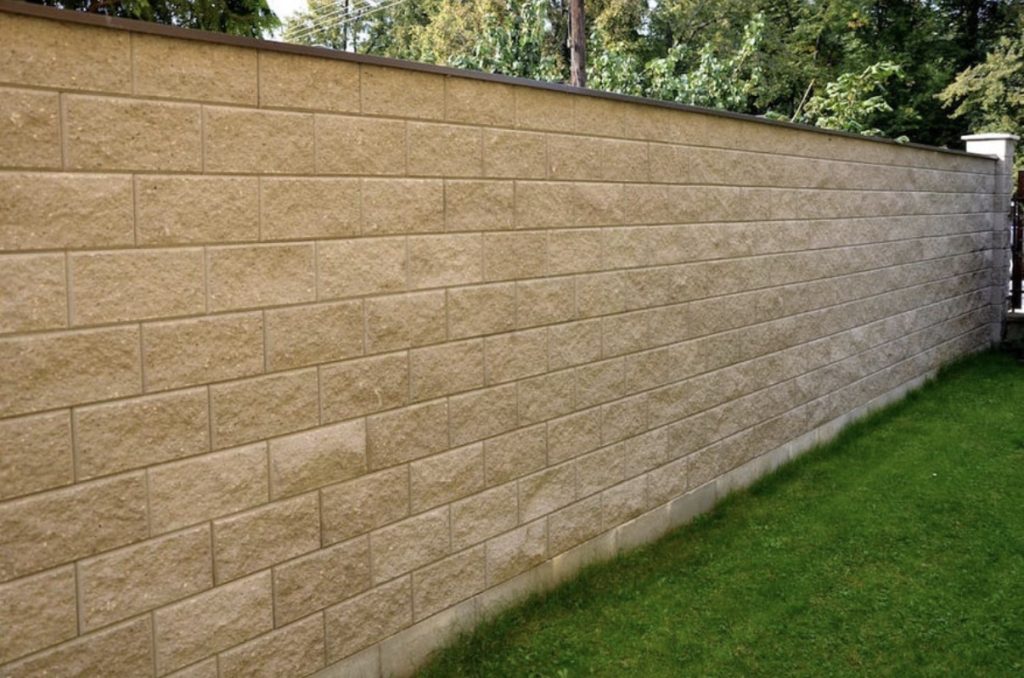
People use the terms “brick mason” and “bricklayer” interchangeably all the time—and in everyday conversation, that’s usually fine. In many job settings, a “bricklayer” may also be called a “brick mason,” especially when the work involves building walls, veneers, and structures using brick, block, mortar, and related materials.
But in professional construction—especially on commercial and multifamily projects—the words can carry slightly different meaning depending on scope, region, and licensing. And understanding the difference helps you hire the right trade for your project, set realistic expectations, and avoid costly mistakes.
This matters in places like Stockton and the surrounding Central Valley and Bay Area markets, where masonry scopes often include more than just brick: CMU block, structural masonry, brick, and stone installation—exactly the mix Cen Cal Masonry is known for delivering.
How the terms are used in real life
In plain language: often “yes”
If you ask most people, “Is a brick mason the same as a bricklayer?” you’ll usually hear yes. That’s because both terms commonly refer to someone who lays brick to build or repair masonry structures (walls, fireplaces, columns, veneers, etc.). The U.S. Bureau of Labor Statistics even notes that brickmasons and blockmasons are often called bricklayers.
So if a contractor says, “We need bricklayers on site,” they may simply mean “we need the crew that installs masonry units.”
In the trade: sometimes “not exactly”
Within construction trades, the difference often comes down to how narrow or broad the person’s scope is:
- Bricklayer: frequently used to describe someone whose primary focus is brickwork (and often blockwork too, depending on region).
- Brick mason: sometimes used as a broader label, implying the person can handle brick and other masonry materials (like block, stone, or specialty assemblies).
That said, terminology varies. Some regions and companies use “bricklayer” for almost any unit masonry installer, while others reserve “mason” as the more general trade title.
The simplest way to think about it: “bricklaying” is a type of masonry
A helpful mental model is:
- Masonry = the broader trade
- Bricklaying = one part of masonry
“Masonry” can include work with brick, CMU/concrete block, stone (natural or manufactured), terra cotta, and even fire brick for refractory applications, depending on the project.
This broader definition aligns closely with what many commercial contractors need—because a single project might include block walls, brick veneers, stone accents, and structural details all in one scope.
Where licensing and project scope make the distinction more important
On professional projects in California, what matters isn’t what someone calls themselves—it’s whether the contractor is properly licensed for the work being performed.
California’s Contractors State License Board (CSLB) describes what a C-29 Masonry Contractor installs, including:
- concrete units and baked clay products
- concrete, glass, and clay block
- natural and manufactured stone
- terra cotta
- fire brick or other refractory materials
That’s a strong indicator that “masonry contractor” is meant to cover the full range of unit masonry systems—not just brick. It’s also why, on larger scopes, the label “masonry contractor” tends to be the one that general contractors, builders, and developers look for.
Cen Cal Masonry lists its California license classifications (including C-29) and positions itself as a contractor specializing in CMU block, structural masonry, brick, and stone installation for commercial, multifamily, and custom residential projects—so their scope goes well beyond “brick only.”
When the terms are effectively the same
For many smaller, straightforward tasks, “brick mason” and “bricklayer” point you to the same kind of craft professional, such as when you need:
- brick veneer installation or repair
- rebuilding a small brick section
- tuckpointing/repointing in limited areas
- basic brick features that don’t involve complex structural requirements
In these cases, what matters most is skill, experience, and quality workmanship, not the title.
When the difference actually matters
If your project includes multiple materials or structural responsibility, you want a contractor whose capabilities clearly match that scope. The difference becomes important when the work includes:
1) Structural CMU block and reinforcement requirements
CMU block and structural masonry can involve strict layout tolerances, reinforcement placement, grout procedures, and coordination with engineering and inspections.
2) Mixed-material façades (brick + stone + block)
Many commercial and multifamily projects combine materials. A “bricklayer” may be excellent at brick, but a broader masonry contractor is usually better positioned when your scope includes brick, CMU, and stone in one coordinated package.
3) Projects where schedule and site coordination matter
Large builds require production planning, crew coordination, and communication with the GC and other trades. Cen Cal Masonry specifically highlights supporting general contractors, builders, and developers from preconstruction through completion, which is a different operational reality than a small “brick-only” repair.
How to hire the right pro (without getting stuck on titles)
Instead of asking, “Are you a brick mason or a bricklayer?” ask questions that reveal scope and competence:
- What materials do you install regularly—brick, CMU block, stone?
- Is this scope structural, and have you handled similar projects?
- Are you properly licensed for the work being performed in California?
- Do you work on commercial/multifamily projects (if that’s your scope)?
- How do you ensure clean workmanship and long-term performance?
Those answers will tell you far more than the label.
Bottom line
- In everyday conversation: a brick mason and a bricklayer are often treated as the same thing.
- In professional construction: “mason” can imply a broader scope (brick + block + stone), while “bricklayer” can sound more brick-focused—though usage varies widely.
- In California, licensing and scope matter most. A C-29 masonry contractor classification covers a wide range of masonry materials and systems.
If you’re planning a project in Stockton or nearby Northern California markets and you need a team that can handle CMU block, structural masonry, brick, and stone installation for commercial or multifamily construction, that’s where a specialized masonry contractor like Cen Cal Masonry fits best.