
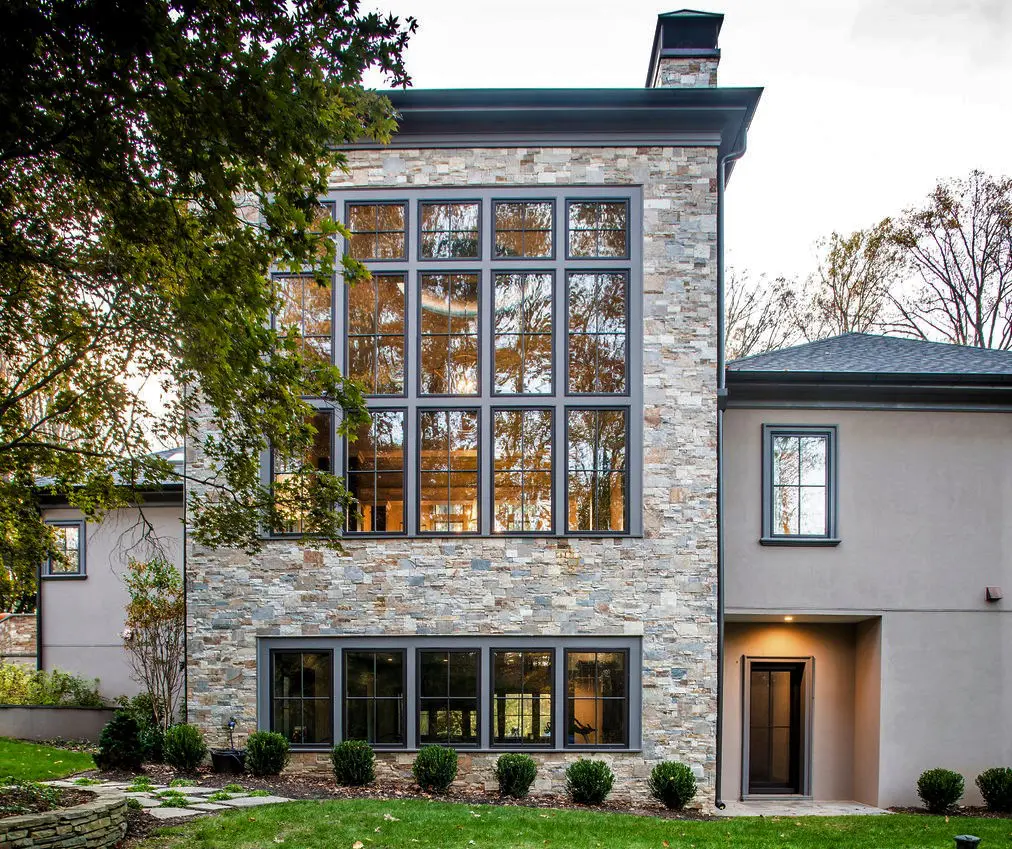
Starting a masonry business can be a smart move for the right person, especially if you are serious about craftsmanship, jobsite coordination, and building a reputation for quality work. Masonry is not a trend-based service that comes and goes. It is tied to real construction needs such as structural walls, brick installation, stonework, retaining walls, multifamily projects, commercial construction, and long-lasting exterior features. That gives the trade strong long-term value when it is approached the right way.
For a company like Cen Cal Masonry, the business model shows why masonry can be a strong field to enter. Their website highlights work in CMU, brick, and stone across Stockton, Lodi, the Central Valley, Sacramento-area markets, and parts of the Bay Area. Their focus includes commercial, multifamily, industrial, healthcare, education, public works, and custom residential masonry, which shows just how many directions a masonry business can grow once it has the right team, systems, and field experience.
Why Masonry Can Be a Good Business
One of the biggest advantages of masonry is that the work is tied to durability. Property owners, builders, and developers are not just buying something decorative. In many cases, they are investing in strength, code-compliant construction, weather resistance, and long-term performance. That makes masonry a skilled trade with lasting demand rather than a short-term fad.
It can also be a good business because it offers different project paths. Some masonry contractors focus on residential work like fireplaces, veneers, patios, and custom stone details. Others move into block walls, site walls, retaining walls, multifamily developments, and commercial structures. Cen Cal Masonry’s site reflects that broader path, showing how a masonry company can serve everything from custom homes to large commercial and multifamily jobs.
Another reason masonry can be a strong business is specialization. In construction, companies that become known for a specific trade often gain trust faster than generalists. A contractor who is known for reliable CMU installation, structural masonry, brickwork, or stone finishes can become a go-to partner for builders and project managers. Cen Cal Masonry emphasizes that exact kind of positioning by presenting itself as a trusted masonry contractor for commercial, multifamily, and custom residential work.
What Makes Masonry Challenging
That said, masonry is not an easy business to start casually.
It is labor-intensive, skill-based, and highly dependent on workmanship. A poor masonry job is hard to hide and expensive to fix. That means your reputation matters from day one. If you do not understand materials, layout, reinforcement, installation standards, scheduling, or jobsite coordination, it can be difficult to grow.
Masonry also requires patience. This is not usually the type of business where someone buys a few tools one week and lands major projects the next. The most stable masonry businesses are built on field experience, dependable crews, project management, licensing, insurance, and consistency. Cen Cal Masonry’s website reflects that reality by highlighting combined experience, team support, licensed operation, and the ability to handle both field execution and project coordination.
So yes, masonry can be a very good business to start, but only if you understand that it is a real trade business, not a side hustle you can fake your way through.
Who Should Start a Masonry Business?
A masonry business is often a good fit for someone who:
- Has hands-on masonry experience
- Understands commercial or residential construction workflows
- Can manage crews and timelines
- Values precision and durability
- Wants to build long-term relationships with contractors, builders, developers, or property owners
If you already have trade experience and want more control over the jobs you take, the team you build, and the direction of your career, masonry can be a strong business opportunity.
It is especially promising for people who want to build a company, not just stay self-employed. Cen Cal Masonry presents itself as more than a one-person operation. The site points to field professionals, office support, and experience serving demanding project types across multiple California markets. That is a useful example of how masonry businesses can scale beyond small one-off jobs when the structure is in place.
The Importance of Choosing the Right Niche
Not every masonry business has to look the same.
Some contractors do best with custom residential stone and brick features. Others are better suited for commercial block work, structural walls, apartment projects, public works, or industrial sites. A smart business owner does not try to be everything to everyone right away. Instead, they choose a niche based on skills, demand, crew strengths, and the type of projects they can perform well.
Cen Cal Masonry’s site shows a clear focus on CMU, structural masonry, commercial construction, multifamily developments, retaining walls, and custom masonry applications. That kind of clarity matters. It tells potential clients exactly what the company is built to do.
If you are considering starting a masonry business in or around Stockton, that is an important lesson. The stronger your service focus is, the easier it becomes to market your company, attract the right jobs, and build authority in your area.
What Really Determines Success
A masonry business becomes successful when it combines skill with professionalism.
That means showing up on time, communicating clearly, estimating accurately, completing work cleanly, following plans, and building a reputation for reliability. Many clients are not only hiring for masonry talent. They are hiring for peace of mind.
That is one reason companies like Cen Cal Masonry stand out. Their site repeatedly emphasizes precision, clean workmanship, dependable performance, and support from preconstruction through project completion. Those are exactly the traits that help a masonry company grow and earn repeat business.
Final Answer: Is Masonry a Good Business to Start?
Yes, masonry can be a very good business to start if you have real trade knowledge, a strong work ethic, and a long-term mindset. It offers the potential for steady demand, skilled-trade credibility, and growth into residential, commercial, multifamily, and industrial projects.
But it is only a good business if it is built on real experience and real standards. Masonry rewards quality, reliability, and precision. It is not the easiest business to start, but it can be one of the most rewarding for contractors who are committed to doing the work right.
In a market like Stockton and the greater Central Valley, a well-run masonry company has room to build lasting value by serving builders, developers, and property owners who need durable, professional results. Cen Cal Masonry’s service model is a strong example of what that can look like in practice.
If you want, send me the next blog topic and I’ll keep the same style and client-safe approach.