
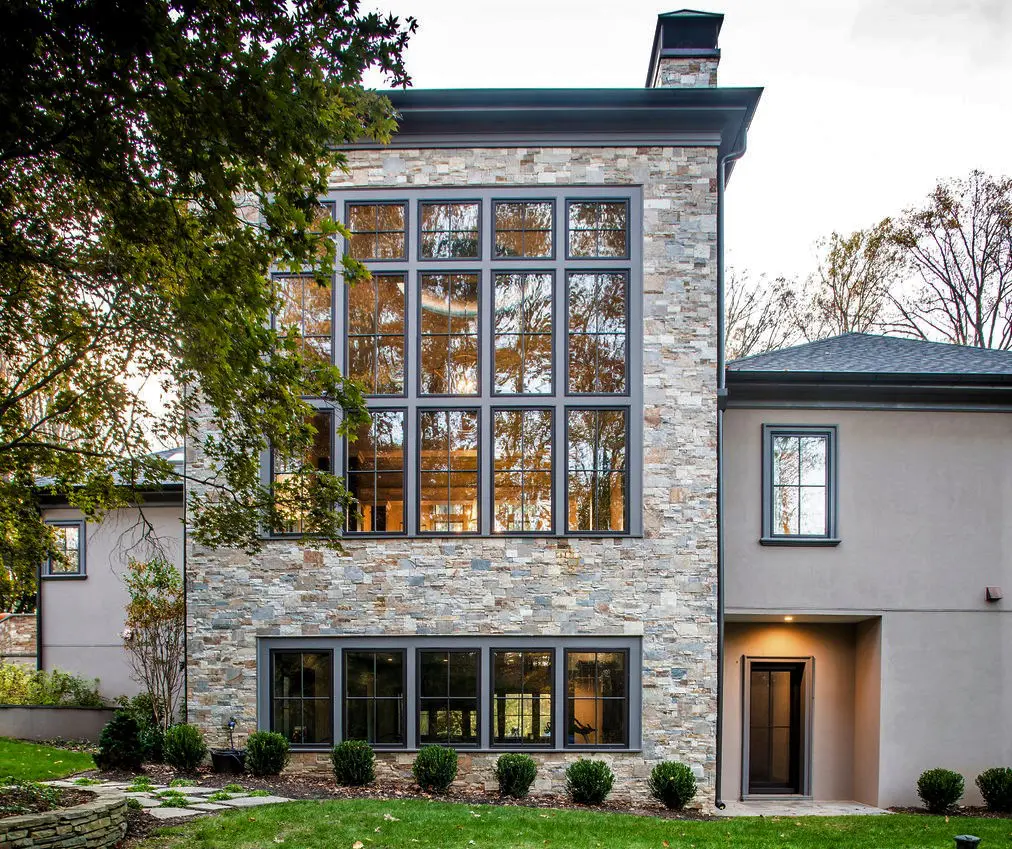
Stone masonry is often one of the more expensive exterior/interior finish options—but “expensive” depends on the type of stone, the complexity of the installation, access to the work area, and whether the stone is structural, veneer, or part of a larger commercial scope. In Northern California markets like Stockton, Lodi, Tracy, Manteca, and the greater Central Valley/Bay Area, stonework is frequently selected because it delivers durability, curb appeal, and long-term value when installed correctly.
If you’re comparing stone to brick or CMU block, here’s a clear (and realistic) breakdown of why stone masonry can cost more, what drives the price up or down, and how to make sure you’re investing wisely.
What “stone masonry” actually includes
Stone masonry isn’t one single product or method—it’s a category that can range from simple veneer upgrades to custom outdoor living features, each with very different labor and material requirements. Cen Cal Masonry, for example, describes custom stone work that can include natural stone installation, stone veneer upgrades, patios, walkways, outdoor features, and decorative accents—all of which vary in complexity and cost.
That’s why two “stone projects” can look similar in photos but be totally different in scope once you factor in the substrate, layout, cuts, detailing, and access.
Why stone masonry is often more expensive
1) Material costs can be higher and more variable
Natural stone is not as standardized as CMU block or many brick products. Pieces can vary in thickness, color, and shape—especially with premium natural selections. Even with manufactured options, the material package can still be more expensive than basic masonry units depending on the style, profile, and finish.
Just as important: stone jobs often require additional supporting materials (mortar types, setting beds, flashing or moisture components when applicable, and finishing materials), which adds cost beyond the stone itself.
2) Stone is labor-intensive—there’s more cutting, fitting, and detailing
Stone masonry is “slow work” compared to many other exterior finishes because it’s craftsmanship-heavy. Even with veneer, the crew typically spends more time on:
- planning the layout so patterns look natural
- cutting and shaping pieces for corners, caps, returns, and transitions
- maintaining consistent joint depth/appearance
- finishing details that make the project look clean and intentional
Cen Cal Masonry emphasizes “precision-crafted” stonework and “flawless finishes,” which is exactly the kind of time-on-task that raises costs but also improves final results.
3) Access and height can add a lot to the total
A ground-level stone accent wall is usually far simpler than stone installed higher up on a façade, around elevations with limited access, or on a commercial site that requires careful staging.
Projects that require lifts, scaffolding, additional safety controls, or restricted access tend to cost more—not because the stone changes, but because the logistics and labor hours increase significantly.
4) The substrate and prep work can be the “hidden” cost
Stone is only as good as what it’s installed on. If the surface needs repair, leveling, reinforcement, moisture control, or rework before stone can be applied, the project grows.
On custom projects—like stone façades, patios, or outdoor living features—site preparation matters: base stability, drainage, transitions, and proper installation steps are what prevent cracking, loosening, and premature failure. Cen Cal Masonry’s process includes consultation, design/planning, material selection, installation, and a final walkthrough—reflecting the fact that stone projects benefit from real planning, not guesswork.
5) Design complexity is a major cost driver
Stone becomes more expensive when the design includes:
- multiple stone types or blended patterns
- detailed corners, columns, and returns
- custom caps, sills, ledges, or banding
- fire features, outdoor kitchens, or multi-surface transitions
Cen Cal Masonry specifically calls out custom stone patios, fire pits, walkways, and outdoor kitchens—features that naturally require more layout, cutting, and coordination than a basic wall surface.
When stone masonry is “worth it” even if it costs more
Stone is commonly chosen because it performs well long-term and elevates a property’s appearance. When properly installed, stone can deliver:
- strong curb appeal (especially for commercial and multifamily properties)
- durability in high-traffic or weather-exposed areas
- long-term value as a finish that doesn’t “go out of style” quickly
Cen Cal Masonry positions its work around durable, code-compliant masonry that meets schedule and is “built to last,” which aligns with why owners choose stone in the first place—less hassle over the life of the building when it’s done right.
When stone masonry may not be the best choice
Stone might not be the best fit if:
- the project is primarily utility-driven and aesthetics are secondary
- the budget is tight and the scope is large (stone everywhere can get expensive fast)
- the design requires extensive height/access work and you’re looking for a lower-cost façade option
In these cases, some owners use stone strategically—entry features, columns, monument signs, or accent bands—while relying on brick or CMU elsewhere.
Practical ways to control stone masonry cost without sacrificing quality
Here are proven ways to keep the scope realistic:
- Use stone as an accent, not a full wrap, when budgets are tight.
- Simplify transitions and patterns (fewer complicated corners and returns).
- Choose designs that reduce cutting (stone selection and layout can help).
- Plan early so the substrate and sequencing are correct—rework is expensive.
- Work with a masonry contractor experienced in stone, brick, and CMU, so the team can recommend alternatives that still meet the design intent. Cen Cal Masonry specifically highlights expertise across CMU, brick, and stone, including commercial and multifamily scopes.
Stone masonry in Stockton and nearby areas
In and around Stockton, Cen Cal Masonry notes that it supports contractors throughout Stockton, Lodi, Sacramento, the Central Valley, and the Bay Area, with a focus on clean, durable craftsmanship across commercial buildings, multifamily housing, custom homes, and structural block walls.
That matters because local conditions—project access, scheduling, and the type of construction in the area—often influence what stone solutions make the most sense.
Bottom line
Yes, stone masonry can be expensive—but it’s expensive for specific reasons: higher material variability, time-intensive craftsmanship, access/logistics, substrate prep, and design complexity. The good news is that stone doesn’t have to be “all or nothing.” With smart planning and the right contractor, you can choose stone applications that deliver the look and durability you want without creating unnecessary cost drivers.
If you’re considering a stone project in Stockton or the surrounding Northern California region, working with a contractor who regularly installs natural stone, stone veneer, brick, and CMU can help you select the right approach for your property and your goals.