
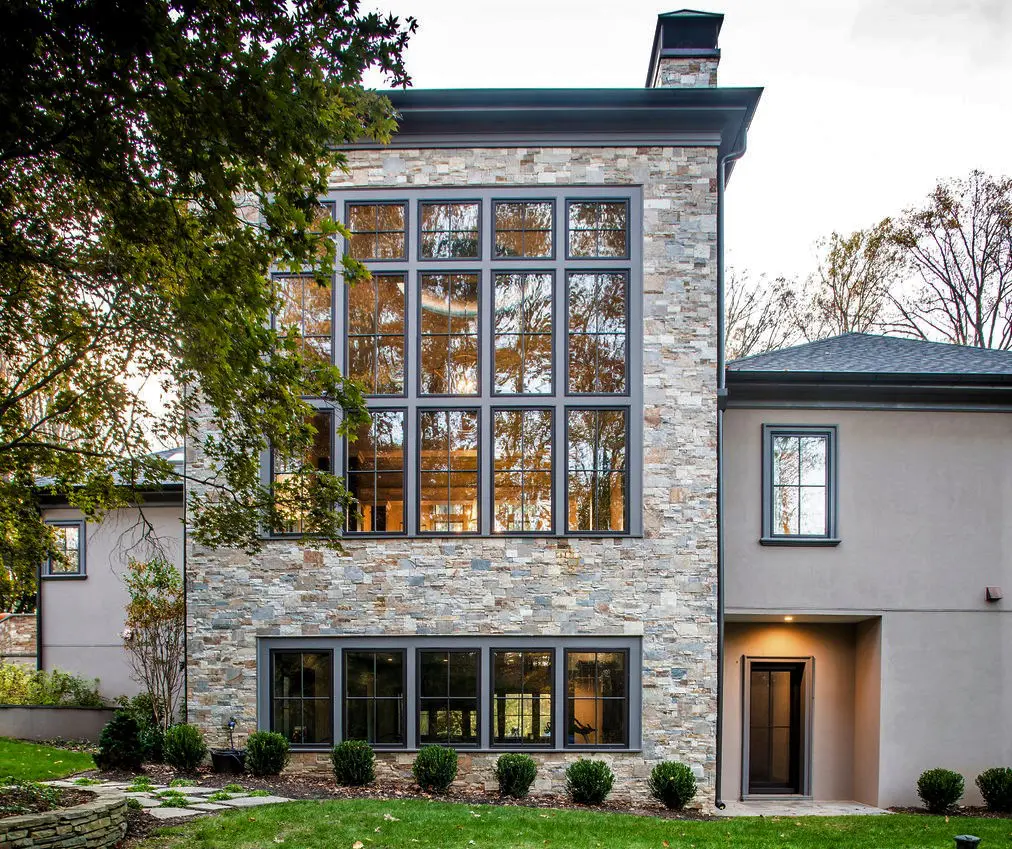
If you’re planning a build, renovation, or repair and you’ve found yourself asking, “What is a masonry contractor called?”—you’re not alone. People use a few different terms interchangeably (mason, bricklayer, stonemason, masonry subcontractor), and the “right” name often depends on what materials are being used and what type of project you’re hiring for.
In this guide, we’ll break down the most common titles, what each one typically does, and how to choose the right professional for your project—especially for CMU block, brick, and stone work in areas like Stockton and the Central Valley.
The most common name: “Masonry Contractor”
A masonry contractor is the broad, industry-standard term for a company (or licensed contractor) that builds and repairs structures using masonry materials—most commonly:
- CMU (concrete masonry unit) block
- Brick
- Stone
- Mortar and related reinforcement systems
A masonry contractor may handle structural masonry (load-bearing and code-driven work), architectural masonry (finishes and decorative features), or both—often with dedicated crews, supervision, and coordination to meet schedule requirements on larger job sites.
For example, Cen Cal Masonry describes itself as a commercial masonry contractor specializing in CMU block, structural masonry, brick, and stone installation, supporting projects from preconstruction through completion across the Central Valley and Bay Area.
“Mason” vs. “Masonry Contractor”: What’s the difference?
- A mason is typically the skilled tradesperson performing the hands-on work—laying block, setting stone, placing brick, mixing mortar, tooling joints, and building assemblies to specification.
- A masonry contractor is usually the company or licensed entity responsible for the project scope—labor, materials, scheduling, supervision, quality control, and jobsite coordination.
In other words: mason = the craftsperson, while masonry contractor = the team/company managing and delivering the masonry scope (often with multiple masons and support staff).
Cen Cal Masonry notes having both field professionals and office support to deliver the manpower and coordination commercial projects demand.
Other names you’ll hear (and what they usually mean)
1) Bricklayer
A bricklayer is a type of mason who specializes primarily in brick installation—such as brick walls, veneers, and architectural brickwork. On many job sites, “bricklayer” can be used casually to refer to anyone doing masonry, but technically it’s brick-focused.
2) Block mason / CMU mason
A block mason (or CMU mason) is a mason who specializes in concrete block installation, including:
- CMU walls
- Structural block assemblies
- Site walls and retaining walls (depending on design)
This is especially relevant for commercial and multifamily construction where CMU is common for strength, speed, and performance.
3) Stonemason
A stonemason specializes in natural stone installation and stone features such as facades, veneer, and outdoor living elements. Cen Cal Masonry highlights custom stone work including natural stone installation, stone veneer upgrades, and outdoor features like patios, walkways, and fire pits.
4) Masonry subcontractor
On commercial projects, you’ll often hear masonry subcontractor. This refers to the contractor/company hired by a general contractor to perform the masonry scope. It’s not a different trade—it’s a description of the contractor’s role within a larger construction team.
Cen Cal Masonry specifically references supporting general contractors, builders, and developers, and providing reliable subcontracting for commercial builds.
5) Restoration mason / masonry repair contractor
When the scope is repairs, terms like masonry repair contractor, restoration mason, or repointing specialist come up. This work often includes:
- Repointing mortar joints
- Stabilizing walls
- Replacing cracked brick or damaged block
- Addressing water-related masonry damage
Cen Cal Masonry’s repair and restoration services include items like repointing, brick crack repair, and wall stabilization.
So… what should you call the person you need?
Here’s a quick cheat sheet based on your project:
- Building new CMU walls or structural block? → Masonry contractor / CMU (block) mason
- Installing brick veneer or brick features? → Masonry contractor / bricklayer
- Stone veneer, stone features, custom stonework? → Masonry contractor / stonemason
- Commercial project needing coordination and schedule performance? → Commercial masonry contractor / masonry subcontractor
- Cracks, failing mortar, leaning walls, deterioration? → Masonry repair & restoration contractor
If you’re not sure which label fits, the safest term is still: masonry contractor—then confirm they regularly do your specific material (CMU, brick, stone) and scope (structural, decorative, repair).
What to look for when hiring a masonry contractor in Stockton and nearby areas
Titles matter less than capabilities. When comparing contractors, look for:
- Material specialization
Ask what they do most often—CMU, brick, stone, or restoration. - Project type match
Commercial and multifamily sites often require greater manpower, coordination, and code-compliant execution. Cen Cal Masonry positions its work around durable, code-compliant masonry and commercial-scale coordination. - Service area familiarity
Local familiarity helps with logistics and jobsite responsiveness. Cen Cal Masonry notes support across areas like Stockton, Lodi, Manteca, and surrounding regions. - Clear scope and communication
Masonry is highly specification-driven—details, elevations, reinforcement, mortar, and finish requirements all matter. Strong communication prevents rework.
Wrap-up: The “right” name depends on the job
A masonry contractor may be called a masonry contractor, mason, bricklayer, stonemason, block/CMU mason, or even a masonry subcontractor—but the key is making sure their experience matches your exact scope.
If your project involves CMU block, brick, stone installation, retaining walls, commercial masonry, or masonry repair, Cen Cal Masonry is set up to support those needs across Stockton and surrounding Northern California service areas.
If you’d like, send me the keyword you want to target (example: “masonry contractor Stockton” or “commercial masonry Stockton”), and I’ll format the next blog post with an SEO title, meta description, and internal-link suggestions to match your content plan.