
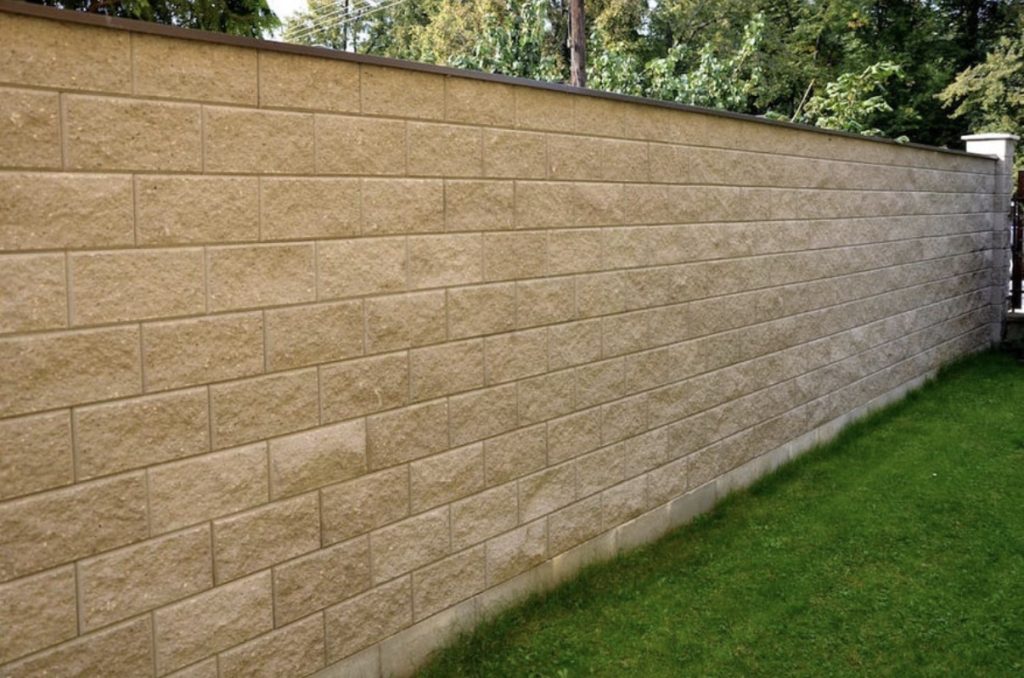
People often use the words brick and masonry as if they mean the same thing, but they are not identical. The simplest way to understand it is this: brick is a material, while masonry is the trade, method, or type of construction that uses materials such as brick, block, or stone. For a company like Cen Cal Masonry, that distinction matters because their work is not limited to brick alone. Their site describes expertise in CMU, stone, and brick solutions for Stockton, Lodi, the San Joaquin Valley, Sacramento-area communities, and parts of the Bay Area.
So when someone asks about the difference between brick and masonry, the short answer is this: brick is one kind of product used in masonry work, but masonry includes a much wider range of materials, skills, and project types. That is why a company can be called a masonry contractor even if it works with brick, concrete block, retaining walls, structural systems, and custom stone features—not just standard brick walls.
Brick Is a Type of Masonry Material
Brick is a specific building material. It is commonly used for walls, facades, veneers, decorative features, and other long-lasting building elements. In everyday conversation, people may think of brick first when they picture masonry, because brick is one of the most recognizable materials in the trade. But it is only one part of the larger category.
A masonry contractor may work with brick, but they may also work with CMU block, natural or manufactured stone, retaining wall systems, and structural masonry assemblies. Cen Cal Masonry’s website makes that clear by listing services and specialties tied to brick, block, CMU, and stone work, rather than treating brick as the whole business.
That means all brick construction can fall under masonry, but not all masonry is brick.
Masonry Is the Broader Trade
Masonry is the broader term for the craft and construction method. It refers to the process of building with individual units—such as brick, stone, or concrete block—that are laid, aligned, and joined together to create a finished structure or surface. In professional use, masonry can refer to the labor, the installation method, and the finished work itself.
This broader meaning is reflected in how Cen Cal Masonry presents its services. The company describes itself as a commercial masonry contractor and highlights work that includes structural masonry, commercial brick work, CMU block installation, site walls, retaining walls, multifamily projects, and custom homes. That is much broader than simply saying “brick work.”
So if you hire a masonry contractor, you are not necessarily hiring someone just to lay brick. You may be hiring a team to complete a range of masonry-related scopes depending on the design, material selection, and structural needs of the project.
A Helpful Way to Think About It
A simple comparison can make this easier:
- Brick = one material
- Masonry = the overall trade and construction category
That is similar to saying that tile is a material, while tile installation is the trade. One describes what the product is, and the other describes the broader method and professional service built around it.
For example, if a property owner in Stockton needs a decorative brick feature, that is a brick project. If a developer needs CMU walls, retaining walls, structural block work, or stone installation for a multifamily or commercial project, that still falls under masonry even though brick may not be the main material used. Cen Cal Masonry’s Stockton page reflects that broader role by emphasizing commercial stone and brick expertise, residential stone, brick, and block expertise, and contractor support for projects across the San Joaquin Valley and beyond.
Why People Confuse the Two
The terms get mixed up because brick is one of the most visible and familiar parts of masonry. When people see a brick wall, brick mailbox, brick facade, or brick chimney, they often describe the entire job as “brick work.” That is understandable, but in the construction world, the trade is larger than that.
A masonry contractor may be brought in for:
- Brick and block installation
- Stone masonry
- Retaining wall construction
- Masonry repair and restoration
- Structural masonry
- Commercial and multifamily masonry scopes
- Cleaning and maintenance of masonry surfaces
Cen Cal Masonry lists exactly this kind of range, including Brick & Block Masonry Installation, Masonry Repair & Restoration, Custom Stone Masonry, Retaining Wall Construction, Commercial Masonry Services, and Masonry Cleaning & Maintenance. That range shows why “masonry” is the more accurate umbrella term.
Brick Is More Specific, Masonry Is More Accurate
If you already know the project involves brick only, then “brick” is a precise word to use. But if you are talking about the profession, contractor category, or broader service offering, “masonry” is usually the better word.
That distinction matters for clients choosing the right contractor. Someone searching for a company in Stockton may type “brick contractor,” but the actual company they need may do much more than brick alone. Cen Cal Masonry positions itself around that wider expertise, serving markets that include commercial construction, retail and office, multifamily and apartments, healthcare facilities, industrial facilities, CMU and site walls, and education and public works.
In other words, brick may be one visible part of the finished project, while masonry describes the complete skill set behind it.
The Real-World Difference on a Jobsite
On a real project, the difference becomes practical. A brick-only task might involve a decorative wall, facade section, or veneer feature. A masonry scope, on the other hand, may include several materials and systems working together. On larger jobs, that could mean structural block walls, brick accents, stone details, retaining elements, and related repair or finish work—all managed by one masonry contractor.
That is the type of broader project capability Cen Cal Masonry emphasizes on its website. The company notes experience with commercial buildings, multifamily developments, custom homes, structural block walls, and contractor support from preconstruction through project completion.
Final Answer
The difference between brick and masonry is straightforward once you separate the material from the trade. Brick is a building material. Masonry is the larger construction trade that includes brick, block, stone, and related installation methods. Brick is part of masonry, but masonry is not limited to brick.
For a company like Cen Cal Masonry, that distinction is important because their work goes beyond brick alone. Their site shows a business built around CMU, brick, and stone solutions for commercial, multifamily, industrial, public, and custom residential projects in Stockton and across Northern California.
If you are choosing the right professional for a project, “brick” tells you one possible material. “Masonry” tells you the broader trade, service category, and contractor expertise behind the work.