
Stockton has become one of Northern California’s most talked-about “move-to” cities—and the reasons are more practical than trendy. For many households, Stockton sits in a sweet spot: it’s positioned between major job markets, connected by highways and commuter rail, and offers a Central Valley lifestyle that can feel more attainable than the Bay Area without leaving Northern California behind.
If you’re researching why people are moving to Stockton, here are the biggest factors driving the trend—and what it means for the city’s neighborhoods, workforce, and construction growth.
1) Stockton’s location makes it a “hub” city for Northern California
Stockton’s geography is a major draw. You’re close enough to reach Sacramento, the East Bay, and Silicon Valley corridors while still living in the Central Valley. For people who want access to multiple regions—without committing to big-city pricing—Stockton’s location can be a deciding factor.
That “hub” advantage becomes even more important for families who want weekend flexibility: quick trips to the Bay Area for events, easy access to Sacramento for work or appointments, and routes toward outdoor destinations in Northern California.
2) Commuting to higher-paying job markets is a reality for many movers
One of the clearest reasons people relocate to Stockton is that it can serve as a home base while earning income in larger markets. In recent years, Stockton and the broader San Joaquin County area have been highlighted for a high share of long-distance commuters heading toward Bay Area jobs—often tied to housing affordability pressures closer to those job centers.
Stockton is also served by ACE (Altamont Corridor Express), a commuter rail option that connects Stockton with stops through the Tri-Valley and into Silicon Valley. Even for residents who don’t ride daily, having a rail alternative can be part of the “we can make this work” math for households balancing budgets and career opportunities.
3) The Port of Stockton and logistics economy support jobs and growth
Stockton isn’t only a “commuter city.” It also has local economic engines—one of the most notable being the Port of Stockton, which emphasizes its role as a major employer and job center through both Port roles and partner/tenant opportunities.
A strong logistics and distribution footprint matters because it supports a range of careers—operations, trades, transportation, maintenance, and more. And when industrial and commercial activity expands, it often creates ripple effects: more business services, more housing demand, and more building and infrastructure work throughout the region.
4) Education is a major anchor—especially the University of the Pacific
For many families, education is part of the relocation decision. Stockton is home to the University of the Pacific, which notes its founding in 1851 and its long history in California higher education.
Whether people are moving for a student’s enrollment, employment at the university, or simply the benefits that a major campus can bring to a city—education institutions tend to stabilize communities and attract a steady stream of residents, visitors, and investment.
5) Lifestyle and culture: waterfront, districts, and community energy
Stockton also appeals to people who want city amenities without the “always-on” pace of larger metros. The local visitor bureau highlights areas like Stockton’s Miracle Mile, a recognizable district that draws people for dining, shops, and community events.
This matters for movers because quality of life decisions aren’t only about jobs and housing—they’re about whether a place feels livable. Walkable pockets, local restaurants, and events can be the difference between “We’ll try it” and “We can see ourselves here long-term.”
6) Stockton’s diversity is a draw for many households
Another factor that often comes up in Stockton relocation conversations is community diversity and representation. Stockton has been noted publicly as a highly diverse midsize city, which many new residents see as a positive—especially families looking for communities that feel welcoming and culturally rich.
7) A growing city means more building, renovation, and property improvements
When people move in, construction follows—new housing, commercial build-outs, tenant improvements, multifamily upgrades, and neighborhood reinvestment. And that’s where quality trade work becomes especially important.
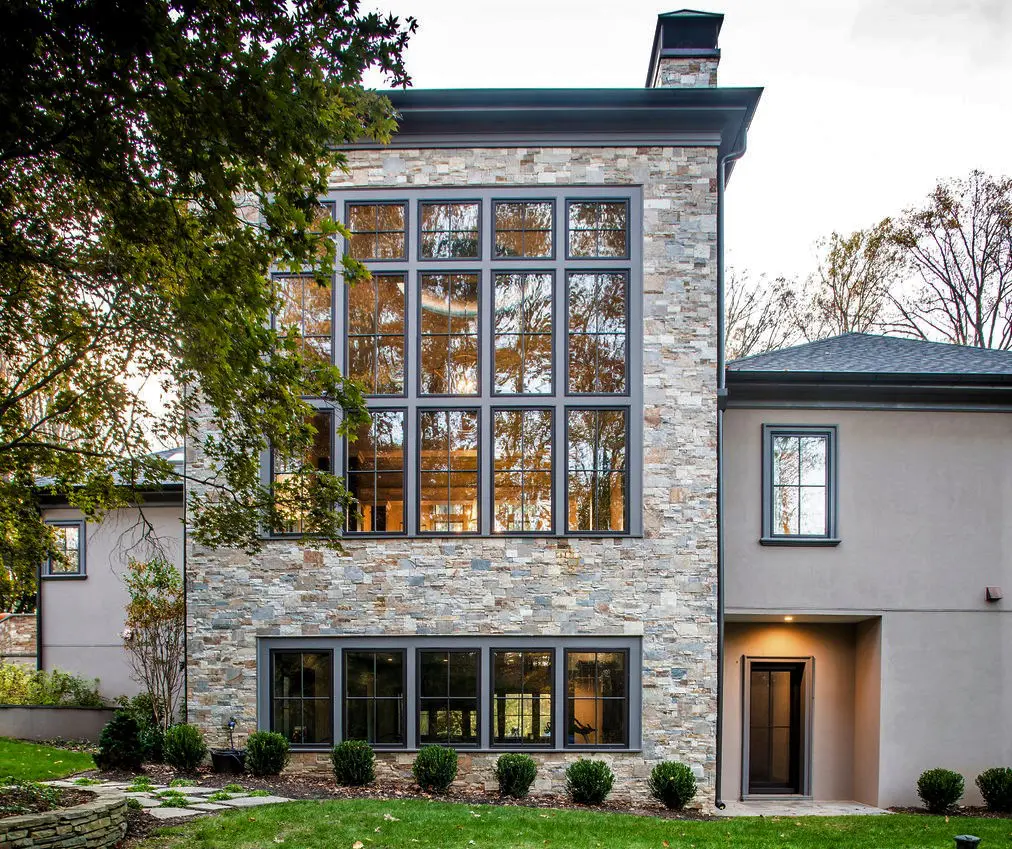
For example, Cen Cal Masonry positions itself as a commercial masonry contractor serving Stockton and the broader Central Valley/Bay Area region, specializing in CMU block, structural masonry, brick, and stone installation for commercial and multifamily projects (as well as custom residential).
As communities expand, well-executed masonry work supports:
- Durability for high-traffic commercial properties
- Code-compliant structural performance in CMU/structural masonry scopes
- Long-term maintenance reduction through quality installation and detailing
- Curb appeal for businesses and multifamily developments
In other words, Stockton’s growth story isn’t just about people—it’s about the built environment evolving to meet demand.
A realistic note: growth comes with tradeoffs
It’s also fair to say that Stockton’s position as a commuting hub can create challenges for residents—time on the road (or rail), shifting work policies, and transportation costs. Recent reporting has described the strain some long-distance commuters feel, even as the affordability equation keeps pulling new residents inland.
That said, for many households, the tradeoff still pencils out: more space, a Northern California address, and access to multiple job markets.
Bottom line: why people keep choosing Stockton
People are moving to Stockton because it offers a combination that’s getting harder to find elsewhere in Northern California:
- A central location with regional access
- Commuter connectivity, including ACE rail
- Local employment drivers like the Port of Stockton
- Higher education anchored by the University of the Pacific
- Community districts and events that support lifestyle
And as Stockton continues to attract residents, the need for reliable construction partners grows right alongside it—especially for commercial, multifamily, and structural scopes where quality craftsmanship matters.