
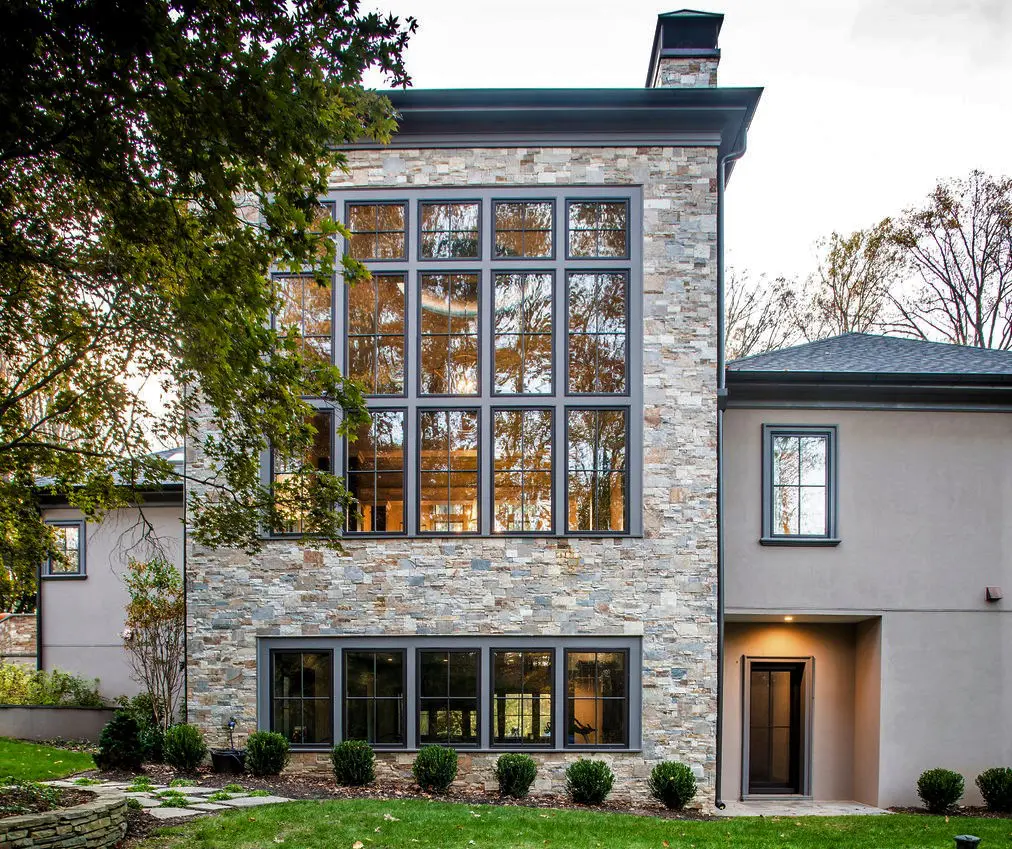
If you’ve ever priced out a block wall, brick veneer, stone façade, or structural CMU work and felt sticker shock, you’re not alone. Masonry can look “simple” from a distance—stack units, add mortar, repeat—but the real cost is tied to what it takes to build something that’s straight, strong, code-compliant, and built to last—especially on commercial and multifamily job sites across Stockton, Lodi, the Central Valley, Sacramento, and the Bay Area.
Below is a clear breakdown of why masonry costs more than many people expect, what you’re actually paying for, and how to make sure your investment delivers long-term value.
1) Masonry is skilled labor—there’s no shortcut
Great masonry isn’t just “putting brick on a wall.” It’s a trade built on precision: keeping lines level, controlling joints, maintaining consistent patterns, and aligning everything with the building’s layout and structural requirements.
On commercial builds, that precision matters even more because work often involves structural masonry, CMU block installation, and reinforcement details that must match plans and engineering. The labor cost reflects experience, training, and the reality that quality work is performed by specialized crews—not general labor.
2) Material costs add up fast (and they’re not just “blocks and mortar”)
Most people think of masonry materials as just brick/stone/block plus mortar. In reality, many projects require a full system of components, such as:
- CMU units and specialty shapes
- Mortar and grout
- Reinforcement and accessories (where applicable)
- Flashing and moisture management components (varies by assembly)
- Sealants and finishing materials
- Cleaning and protection products (especially for finished brick/stone)
Cen Cal Masonry’s work spans CMU, brick, and stone installation across multiple building types, which often means material packages vary widely depending on design, performance goals, and site requirements.
3) The “hidden” cost is prep work and site conditions
Masonry is only as good as what it’s built on. A big part of the cost is the work that happens before the first unit is placed:
- Layout and measurement to match plans
- Substrate checks and corrections
- Access planning and staging
- Material handling, storage, and protection
- Coordinating sequencing with other trades (especially on commercial sites)
On larger projects—like retail, industrial, multifamily, healthcare, and education builds—masonry crews must coordinate with schedules and site logistics to keep production moving. That coordination has real cost, but it’s also what prevents delays and rework.
4) Code compliance and structural requirements increase complexity
Masonry can be architectural (appearance-focused), structural (load-bearing), or both. When a project involves structural masonry and CMU work for large-scale or demanding builds, it typically includes additional requirements—like strict tolerances, reinforcement placement, grout procedures, inspections, and adherence to engineered details.
That’s why many commercial contractors look for teams known for durable, code-compliant masonry work that stays on schedule and meets the standards expected on professional job sites.
5) Equipment, safety, and manpower are part of the price
Masonry is physically demanding and equipment-heavy. Depending on the scope, crews may need:
- Scaffolding or lifts
- Cutting tools and dust control
- Mixing equipment and delivery systems
- Rigging/material handling methods
- Site safety systems and compliance procedures
Cen Cal Masonry highlights having a growing team with field professionals and office support to deliver the manpower and coordination commercial projects demand. That operational capacity is a major part of why professional masonry costs what it does.
6) “Clean workmanship” costs more—but it prevents expensive problems
Cheap masonry often shows up later as:
- Cracking or separation
- Water intrusion and staining
- Uneven courses and poor appearance
- Premature deterioration
- Costly repairs or full replacement
When a contractor emphasizes clean workmanship built to perform and built to last, they’re talking about the time it takes to do it right—proper alignment, consistent joints, quality control, and finishing that protects the installation over time.
7) Masonry is expensive because it delivers long-term value
Here’s the part many quotes don’t explain: masonry is one of the few construction choices that can offer strength, fire resistance, low maintenance, and longevity, while also upgrading curb appeal and perceived quality.
On commercial and multifamily projects, that long-term value matters because durable exteriors and site walls reduce ongoing maintenance and help buildings hold up to everyday wear, weather, and time.
How to get the most value from your masonry budget
If you want your investment to pay off, focus on these practical steps:
- Be clear about the goal: structural performance, appearance, or both.
- Plan early: masonry interacts with scheduling, access, and other trades.
- Choose a contractor with the right scope: CMU, brick, stone, site walls, and the project type you’re building.
- Prioritize quality over the lowest bid: rework is where budgets go to die.
Need help planning a masonry project in Stockton or the surrounding area?
If you’re building in Stockton, Lodi, the Central Valley, Sacramento, or the Bay Area, working with a licensed, insured masonry contractor that specializes in CMU block, structural masonry, brick, and stone installation can make the process smoother from preconstruction to completion.
When you’re ready, reach out to Cen Cal Masonry to discuss your scope, timeline, and the right masonry solution for your project.